
 1
Set the foul lines
Choose clear foul lines and a home-run boundary the whole group agrees on.
Made in America since 1953
Shop now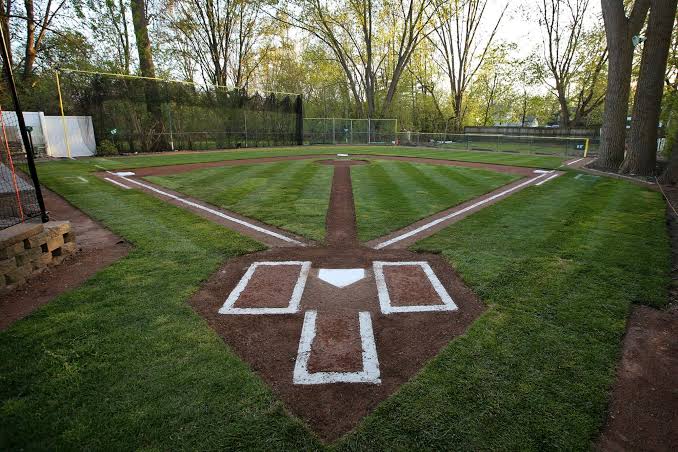
Set up the game
A field can fit the space you have. Set the boundaries, mark the strike zone, and start playing.
Four steps turn a yard, a park, or a gym into a field.
1Choose clear foul lines and a home-run boundary the whole group agrees on.
 2
Set a pitching distance that fits the players and the space you have.
 3
Use a visible strike zone and settle any ground rules before the first pitch.
 4
Keep spectators and obstacles outside the field of play.
From the official Wiffle® rules. Hits are measured from home plate.
The official rules leave pitching distance and fences up to you. These are the distances most organized leagues and tournaments use.
Youth and casual games often move the mound up to about 32–35 ft and the fence in to about 75 ft.
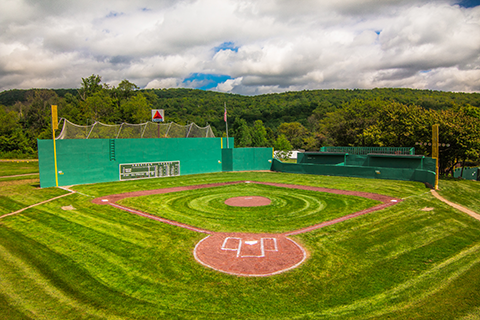
The ballparks worth a road trip — ranked by the community. Think yours belongs? Send it in.
Rankings refresh each season. Submit your field for the next list.