Since 1953
The historyof WiffleBall.
America’s backyard game — invented in Fairfield, still made in Shelton, Connecticut.
1953
The origin of Wiffle Ball.
Summer 1953, Fairfield, Connecticut. Twelve-year-old David A. Mullany and his friends kept breaking windows — even a porch light — playing baseball in a small backyard. So they switched to perforated plastic practice golf balls and a broom handle. The new problem: making that ball curve meant snapping off hard breaking pitches, and it was wearing out David’s arm.
His father, David N. Mullany, had pitched in college at the University of Connecticut and later semi-pro. He was also out of work — his business had just failed. Watching his son, he saw both a problem worth fixing and something he might be able to sell.
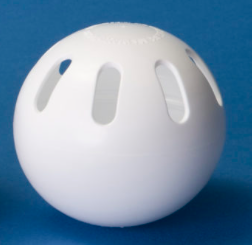
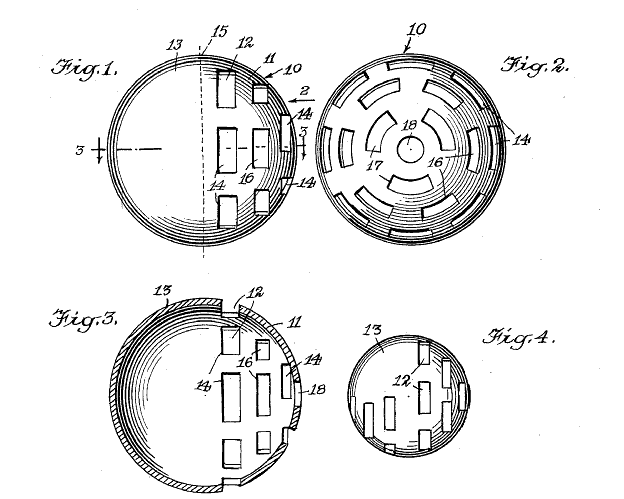
He brought home hollow plastic spheres used to package perfume at a nearby Coty cosmetics plant and started cutting. Square holes, diamond holes, all kinds of patterns — David tested each one in the backyard. The winner was eight oblong slots cut into one half of the ball. Thrown with the slots angled right, it curved, sank, or knuckled without any strain on the arm.
In the neighborhood, a strikeout was a “whiff.” Mullany dropped the h, named the ball WIFFLE, borrowed money to start production, and began supplying local stores that same year. Wiffle Ball, Inc. has been run by the Mullany family ever since.
- Place
- Fairfield, CT
- Inventors
- David N. & David A. Mullany
- Design
- 8 oblong slots
1954 · 1957
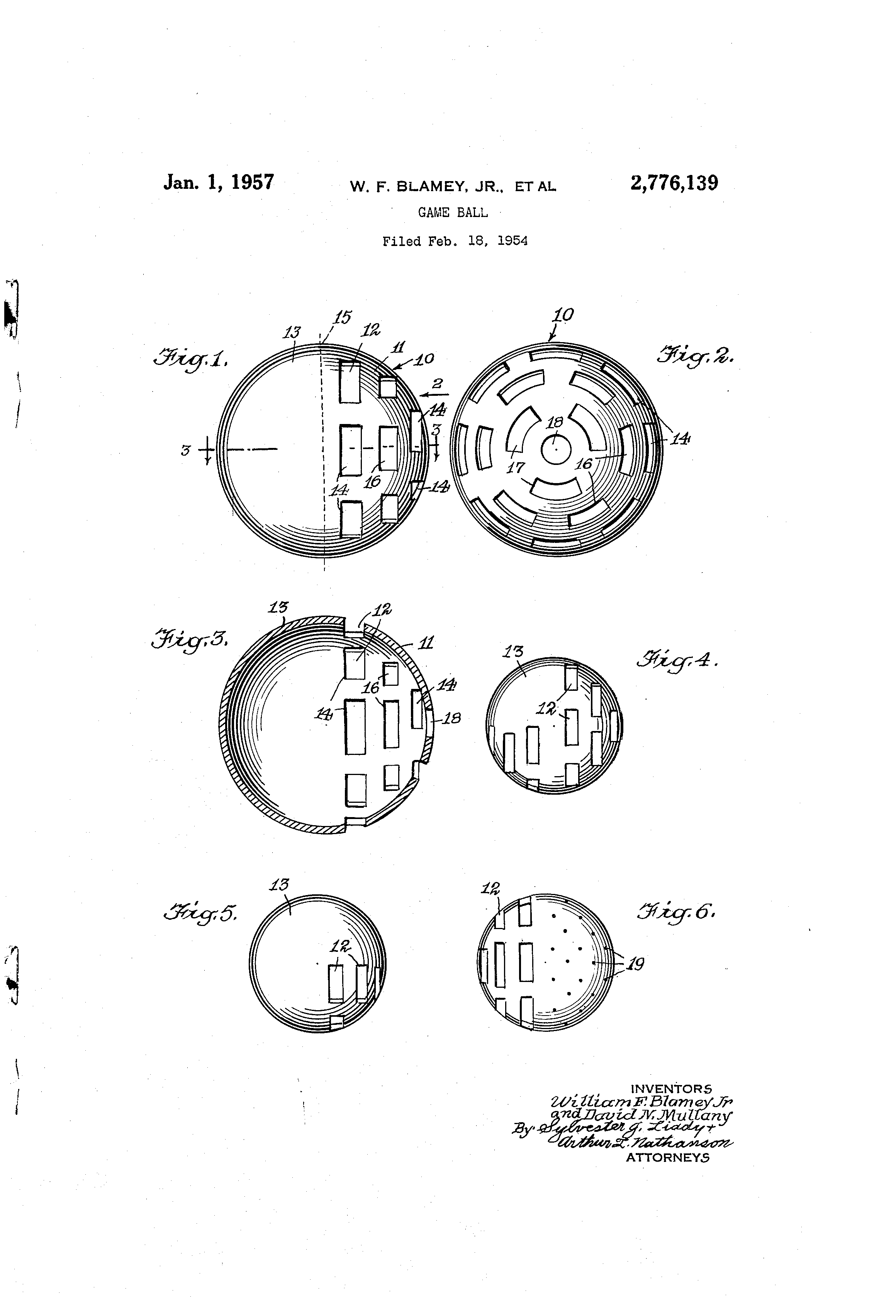
The original patent.
Filed February 18, 1954 by David N. Mullany and William F. Blamey Jr. U.S. Patent 2,776,139, “Game Ball,” was granted January 1, 1957.
It describes a light ball that won’t travel as far as a baseball and whose flight changes sharply when thrown or hit.
- Filed
- Feb 18, 1954
- Granted
- Jan 1, 1957
- Patent
- No. 2,776,139
1959
Made in Connecticut.
The first balls sold for 49 cents from the family station wagon. A Woolworth order took it national.
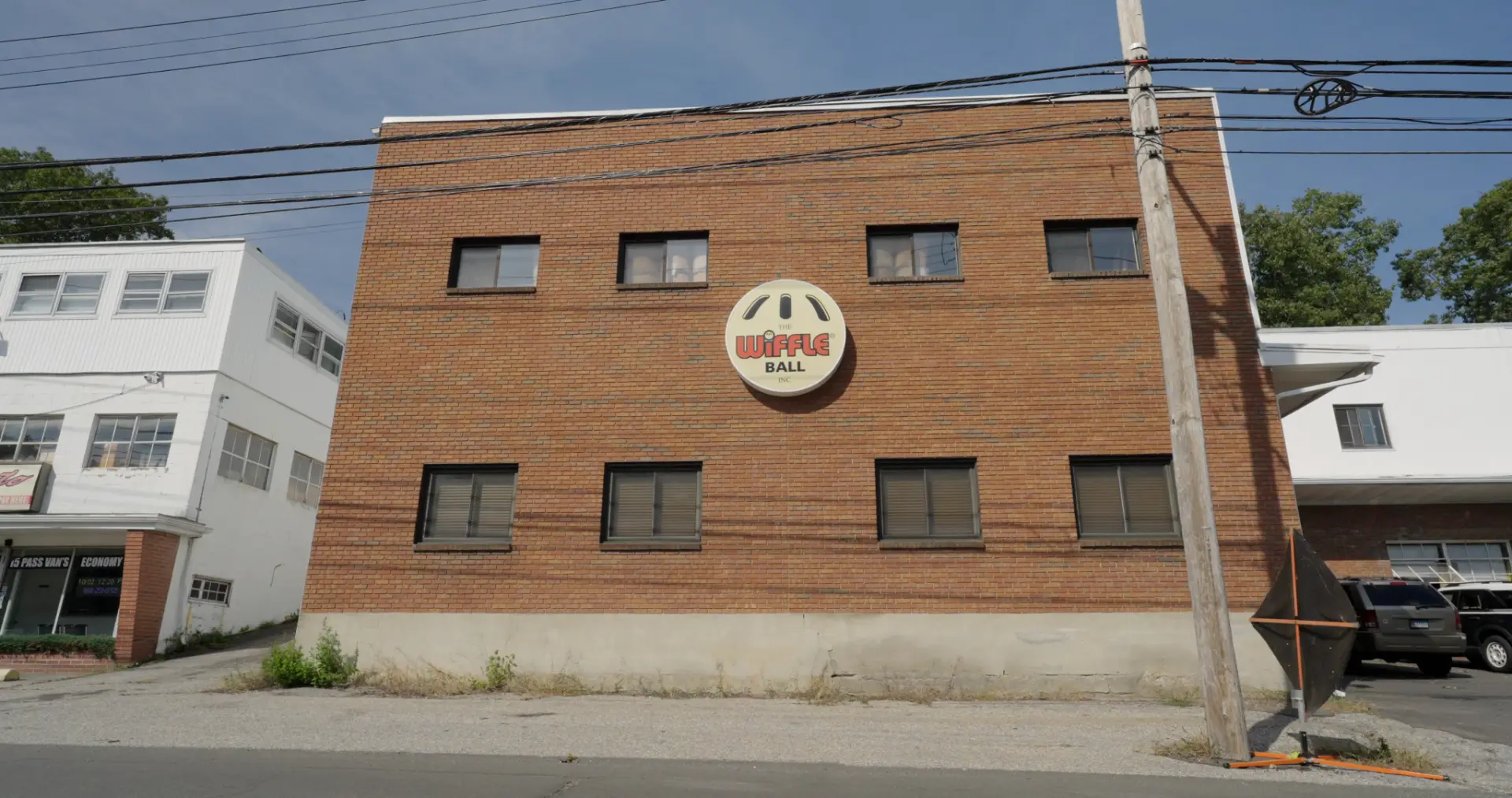
In 1959 the family moved production to Shelton, Connecticut. The ball is still made there.
- First price
- 49¢
- Factory
- Shelton, CT
- Still
- Family-run
1960s
Whitey Ford and the yellow bat.
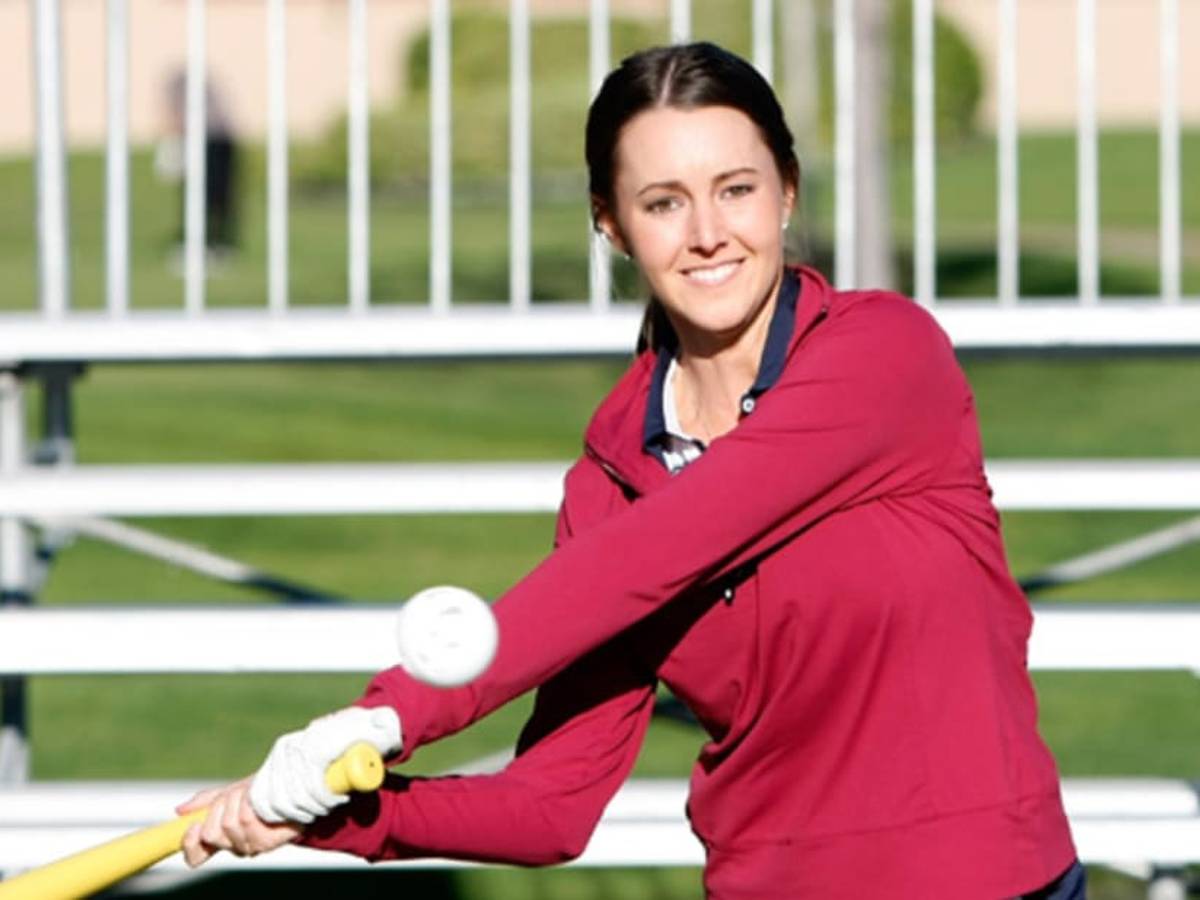
Wiffle made a promotional film with Yankees ace Whitey Ford showing kids how to throw curves. Starting in the late 1950s, big-league players appeared on the boxes themselves — Ford was the first.
Players on Wiffle packaging, roughly in order: Whitey Ford, Ted Williams, Jackie Jensen, Eddie Mathews, Roger Maris, Vern Law, Tom Tresh, Pete Rose, Ron Swoboda, Tim McCarver, Jerry Koosman, Thurman Munson, Lou Piniella, Mike Scott and Scott McGregor. In 1961, World Series champion Vern Law shared a box with AL MVP Roger Maris; in 1963, Ford was paired with Rookie of the Year Tom Tresh.
In the late 1970s, Wiffle went further, packing collectible player disc cards in its boxes and then printing them right on the cardboard — more than 80 major leaguers, including Johnny Bench, Tom Seaver, Rod Carew and Lou Brock.
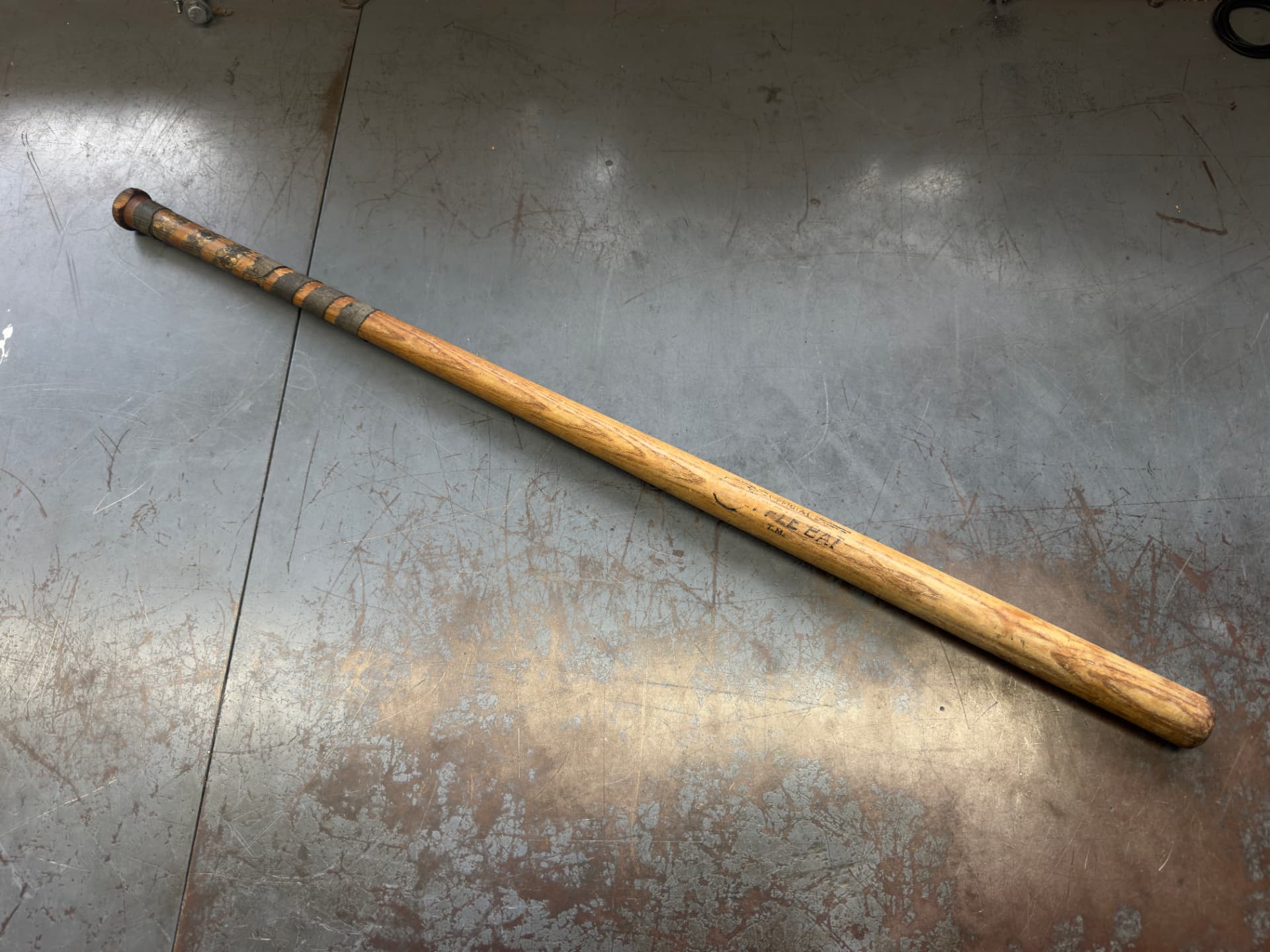
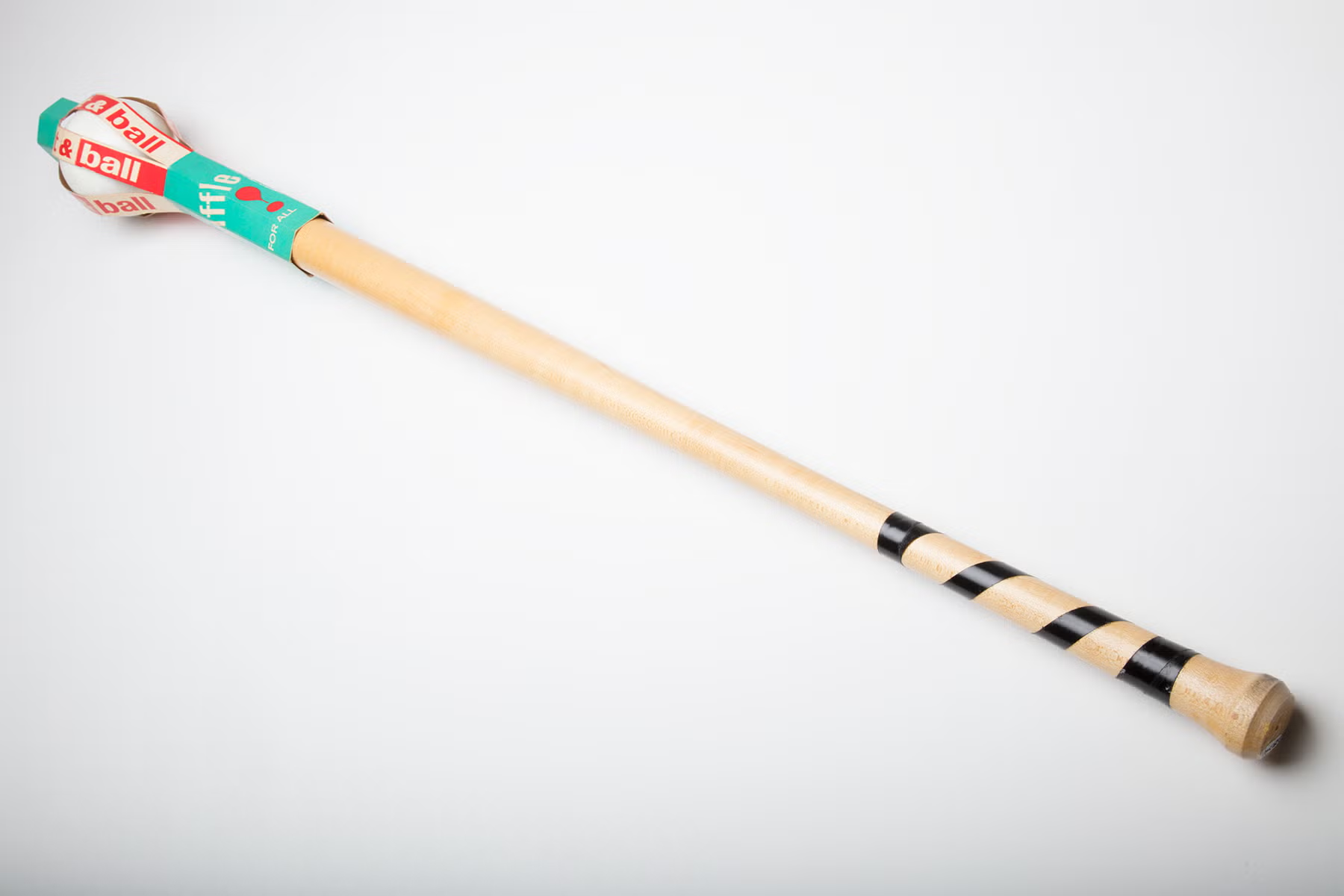
Early bats were thin and wooden. The solid yellow plastic bat came in the early 1970s.
- First on the box
- Whitey Ford
- Player cards
- Late 1970s
- Yellow bat
- Early 1970s

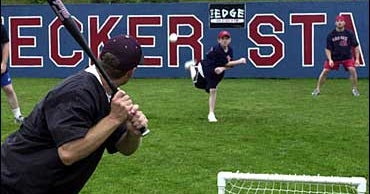
1977 onward
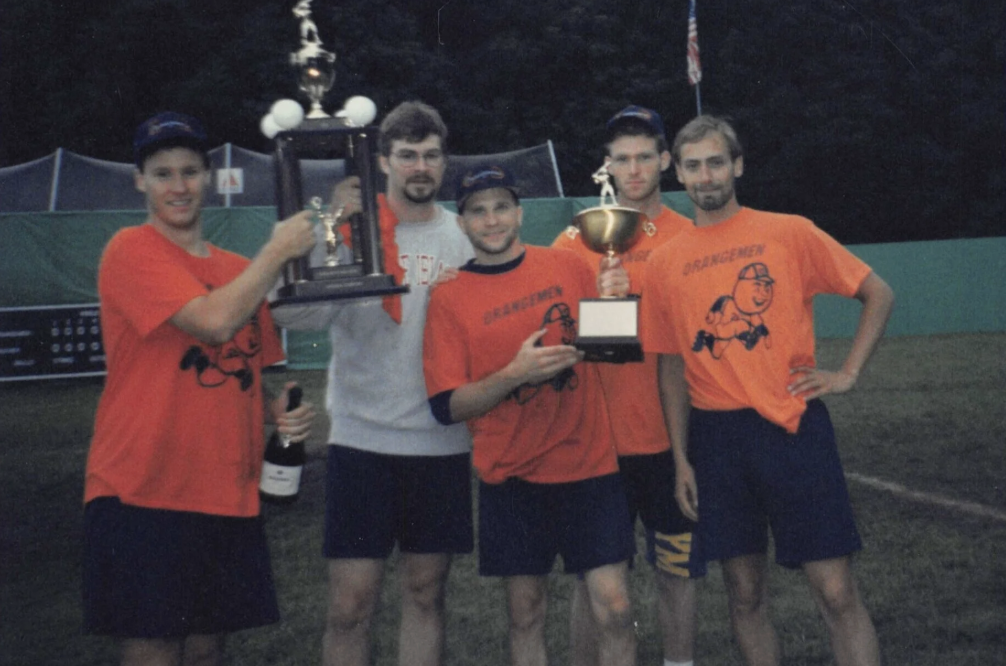
Organized Wiffle Ball.
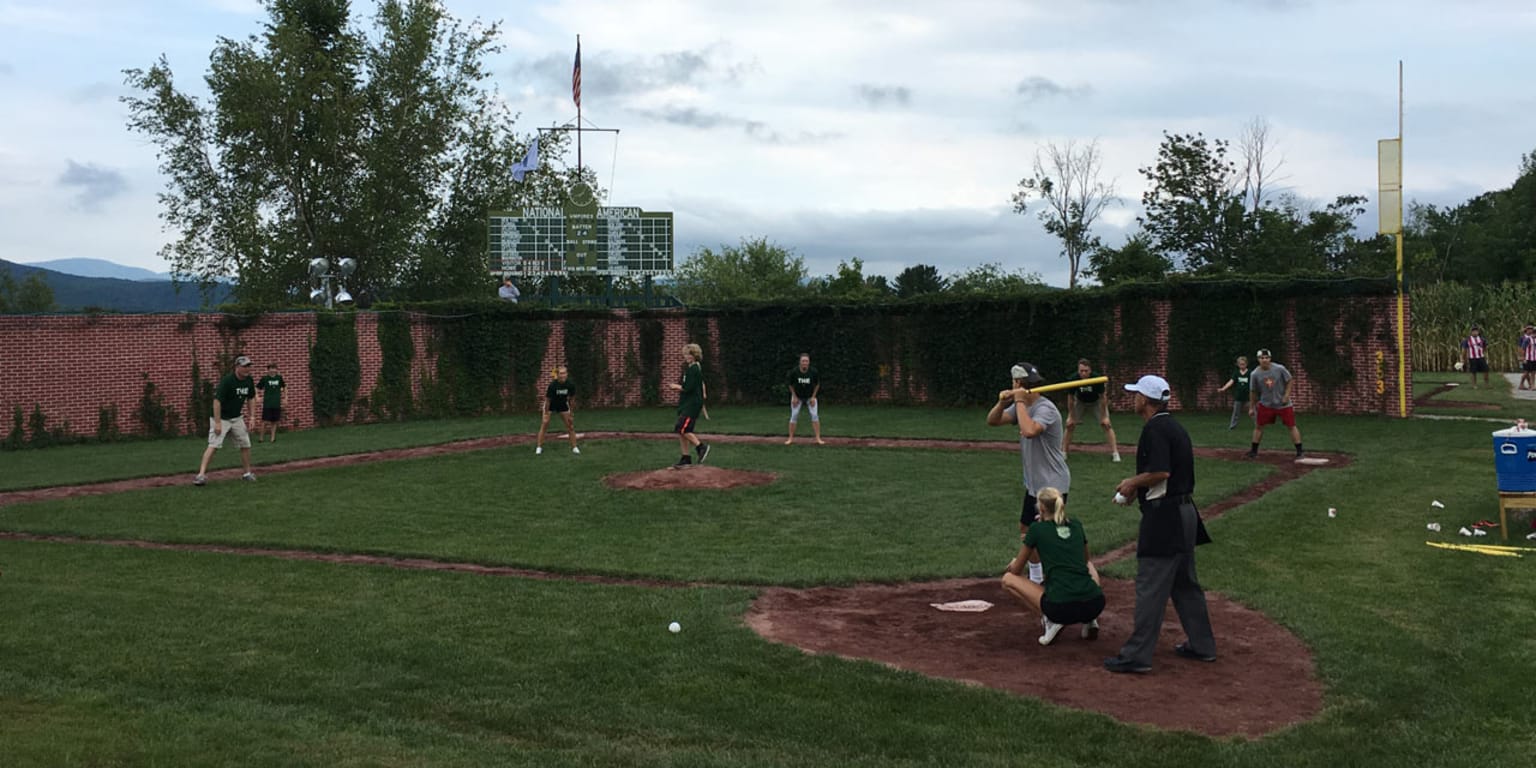
From the archives
The history on film.
Press
Wiffle Ball in American culture.
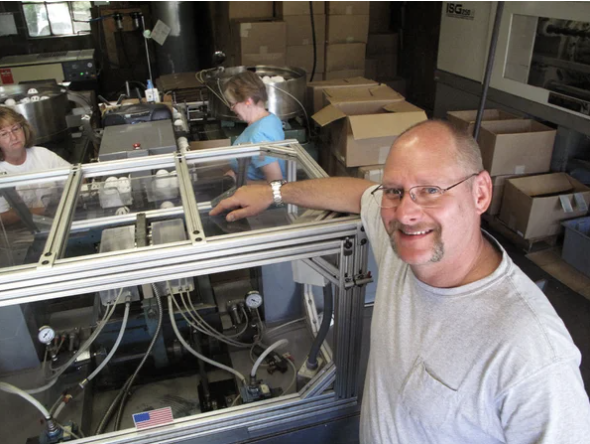
2011 · NPR
Wiffle Ball: Born, And Still Made, In The USA
How the family company kept making the ball in Connecticut for nearly sixty years.
Read at NPR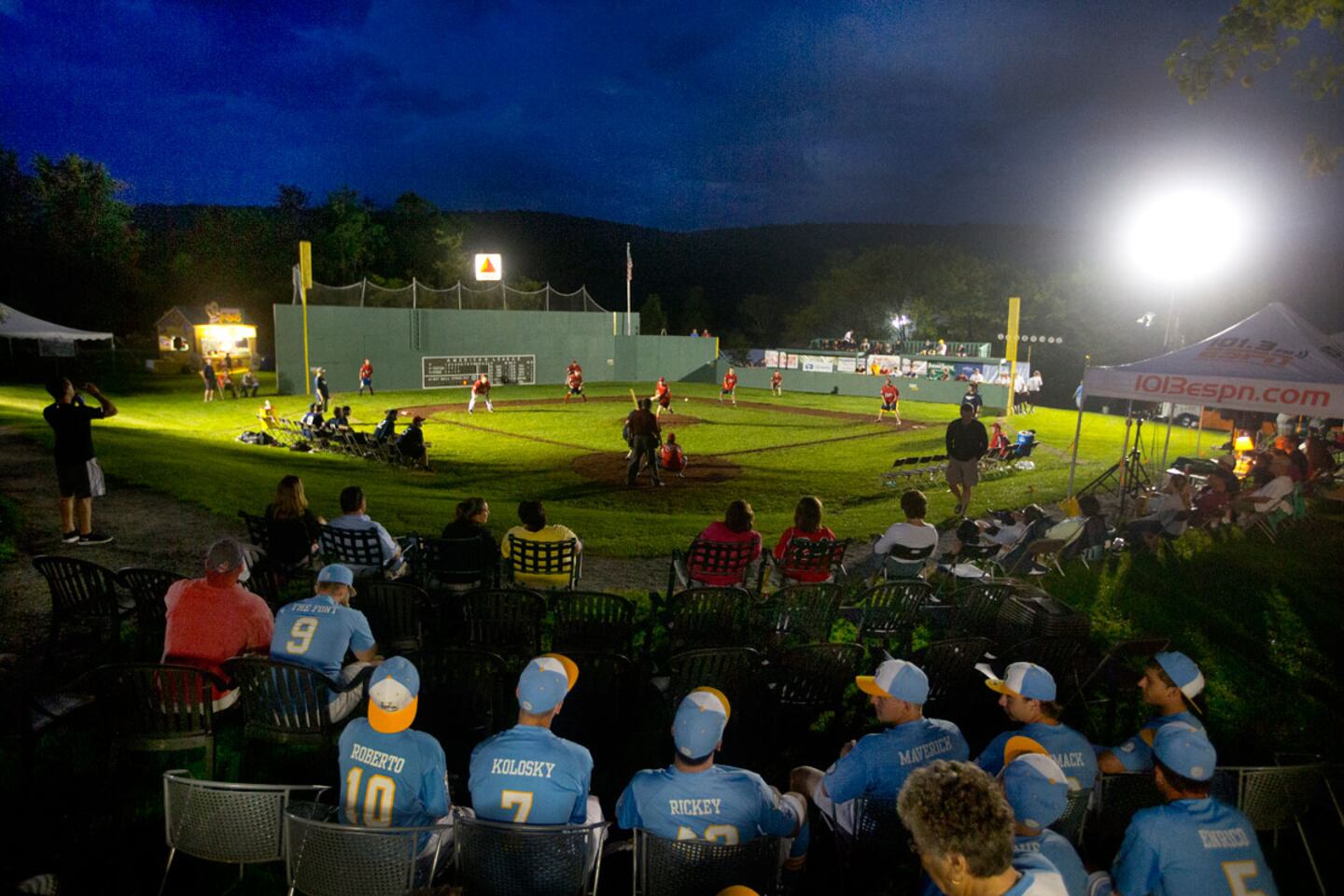
2013 · The Boston Globe
Wiffle Ball event a big hit for Travis Roy Foundation
Night games under the lights at a backyard Fenway in Essex, Vermont.
Read at the Globe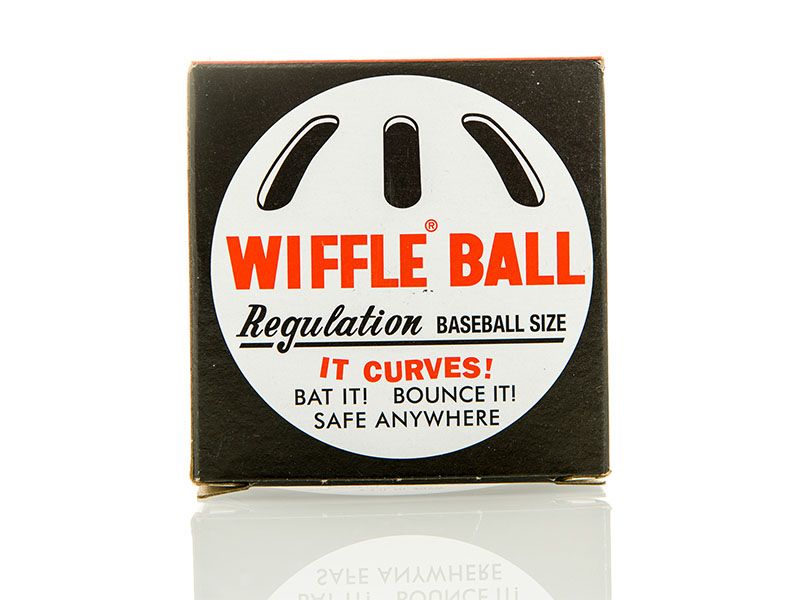
2016 · The New York Times
The Magic of That Wiffle Ball Sound
An ode to the hollow plastic pop of a backyard summer.
Read at the Times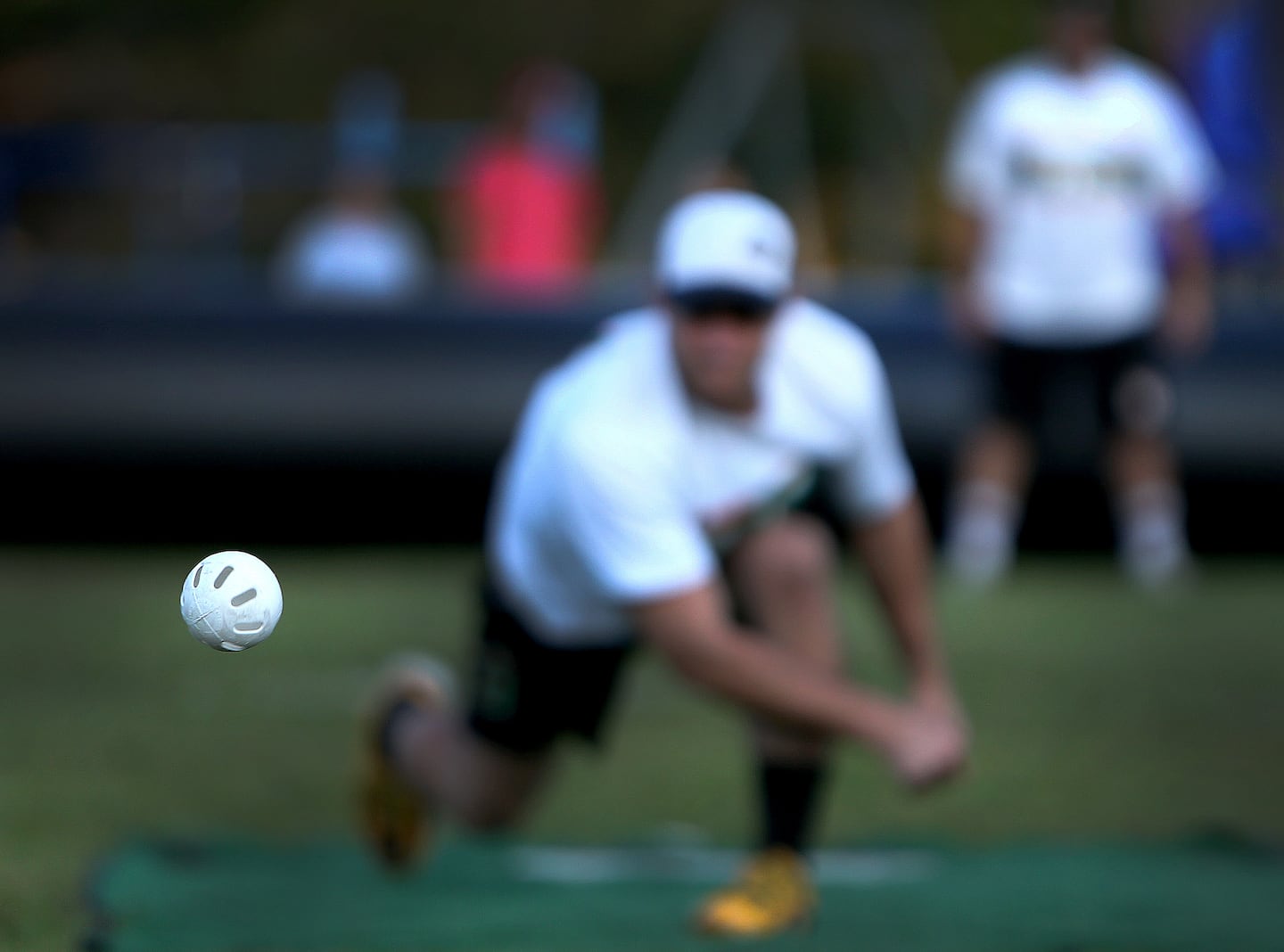
2019 · The Boston Globe
A New York-Boston rivalry on the (Wiffle Ball) diamond
The Golden Stick nationals, modified bats and a real rivalry.
Read at the Globe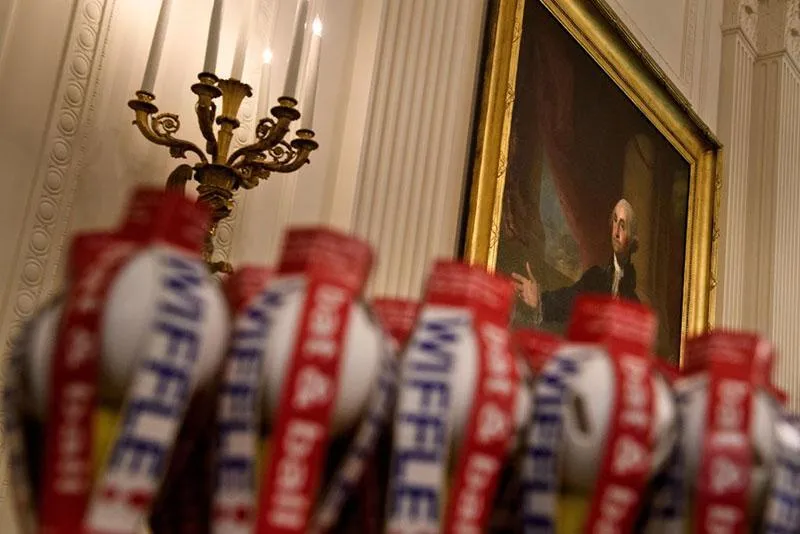
2019 · Smithsonian
How the Wiffle Ball Came to Be
The invention, the patent, the company and the design that lasted.
Read at Smithsonian
2025 · New Haven Register
National Wiffle Ball Day: Iconic backyard game invented in CT
Seventy-two years and more than 60 million balls, all still made in Shelton.
Read at the Register2017 · 2018
National recognition.
November 9, 2017: inducted into National Toy Hall of Fame.
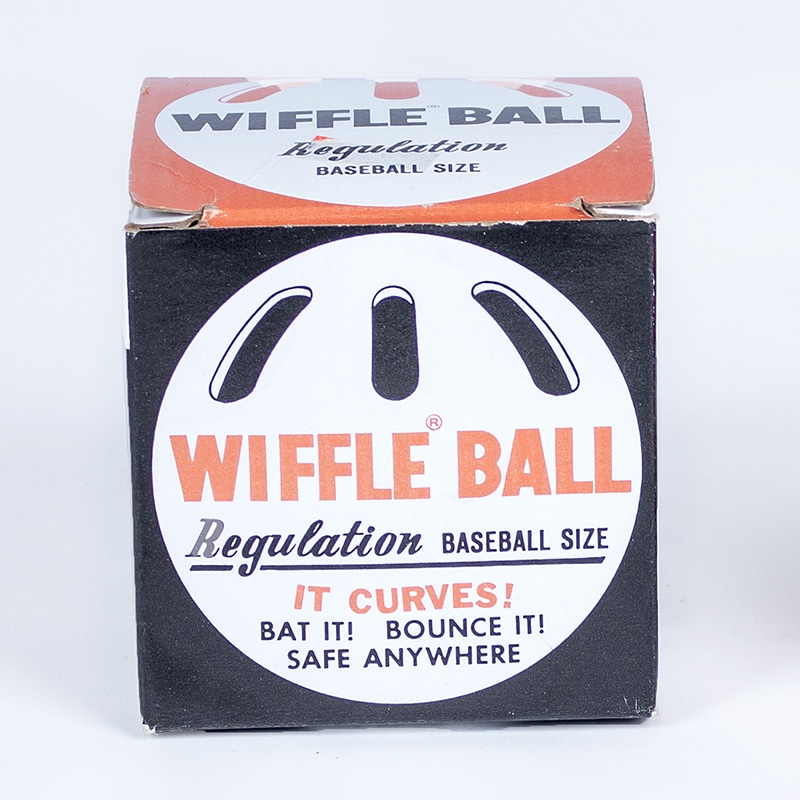
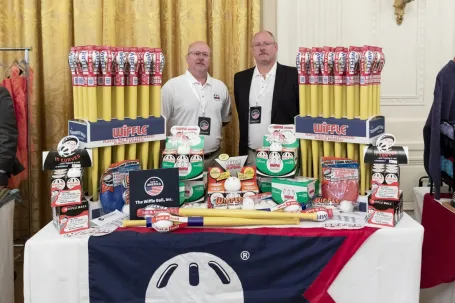
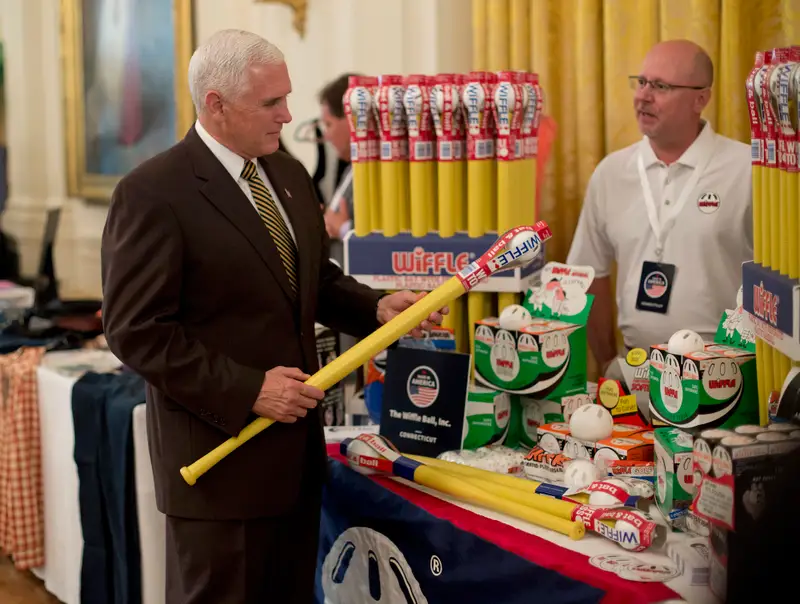
July 23, 2018: David and Stephen Mullany represented Connecticut at the White House Made in America Product Showcase.
- 2017
- National Toy Hall of Fame
- 2018
- Made in America Showcase
2009–2022
The digital era of Wiffle Ball.
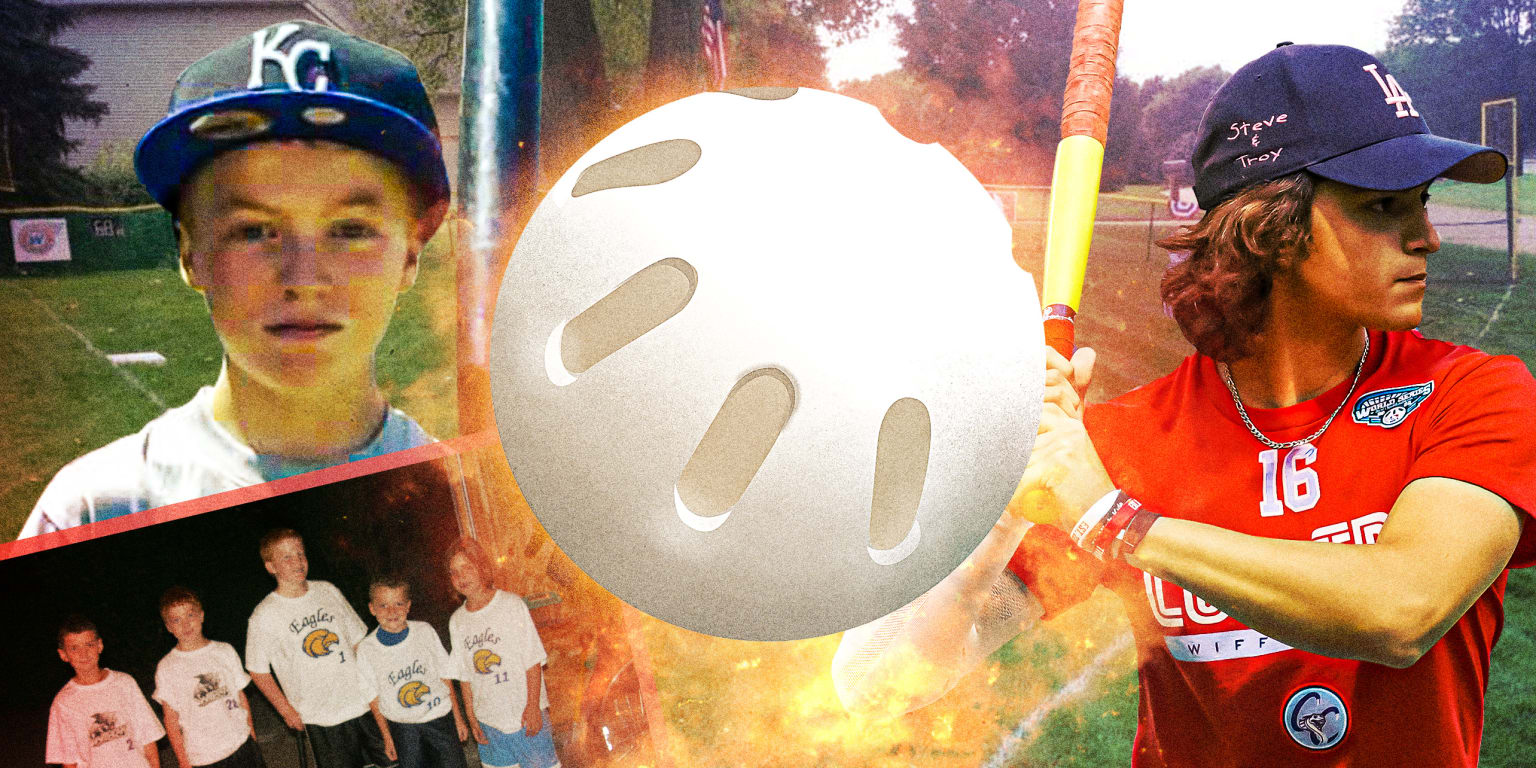
Major League Wiffle Ball (MLW) began with Kyle Schultz and neighborhood friends in Brighton, Michigan. Consistent video coverage turned the backyard league into one of the best-known Wiffle properties of the social-media era, and it helped inspire a wave of other leagues building audiences with digital content across YouTube and social media.
2020 · 2026
Big League Wiffle Ball.
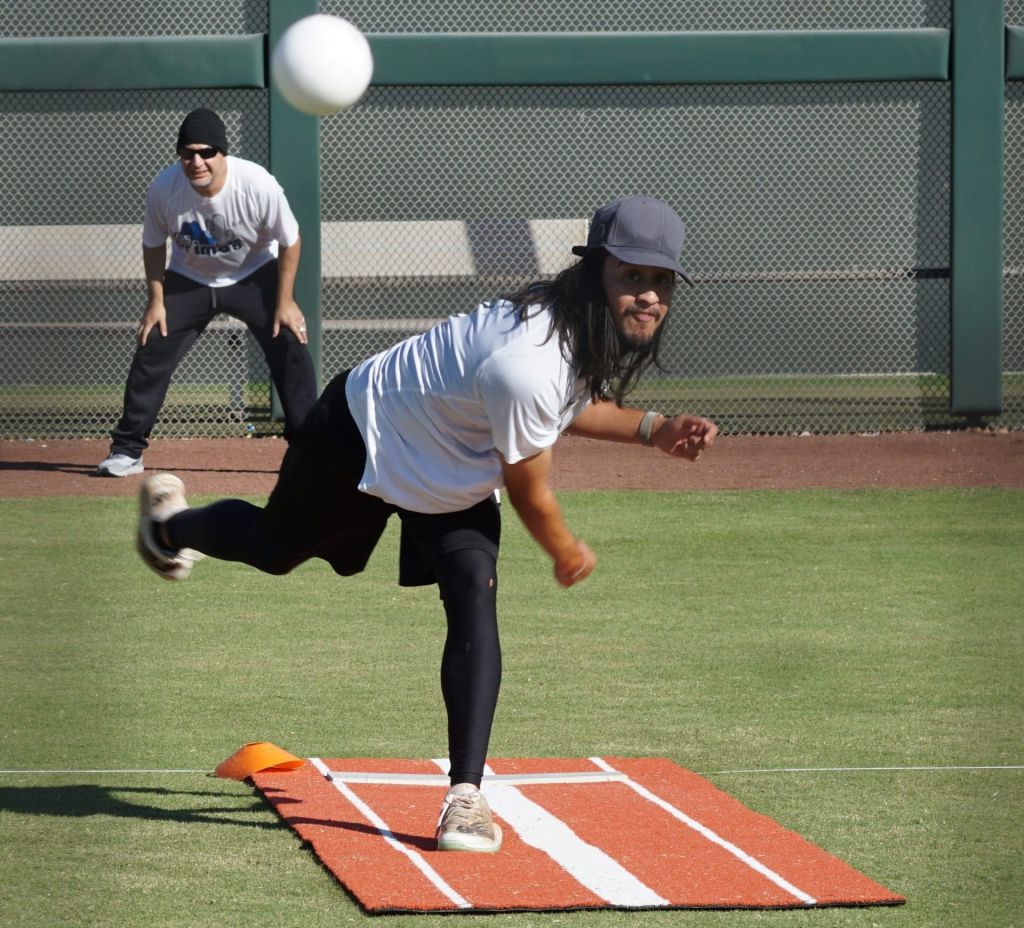
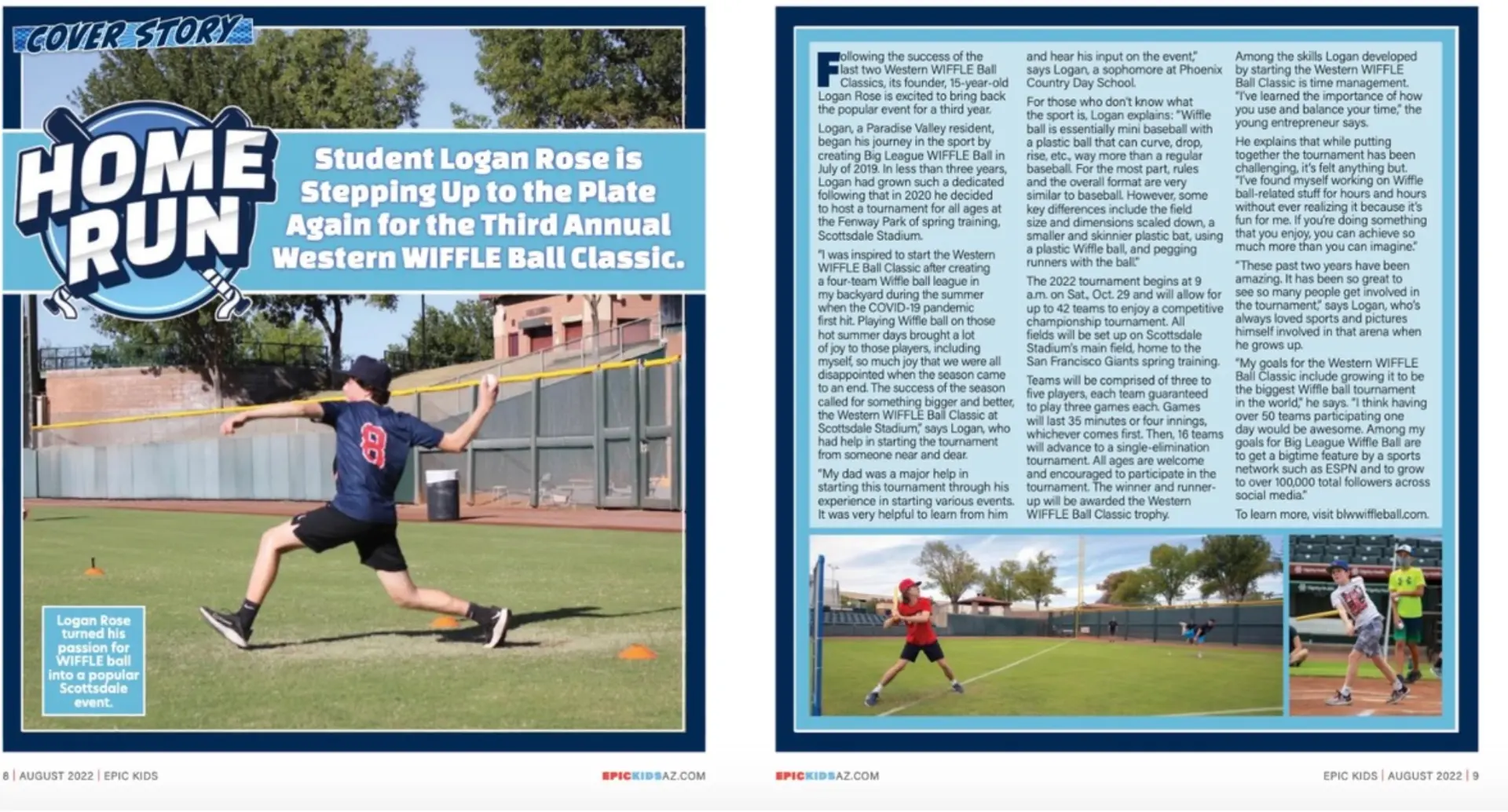
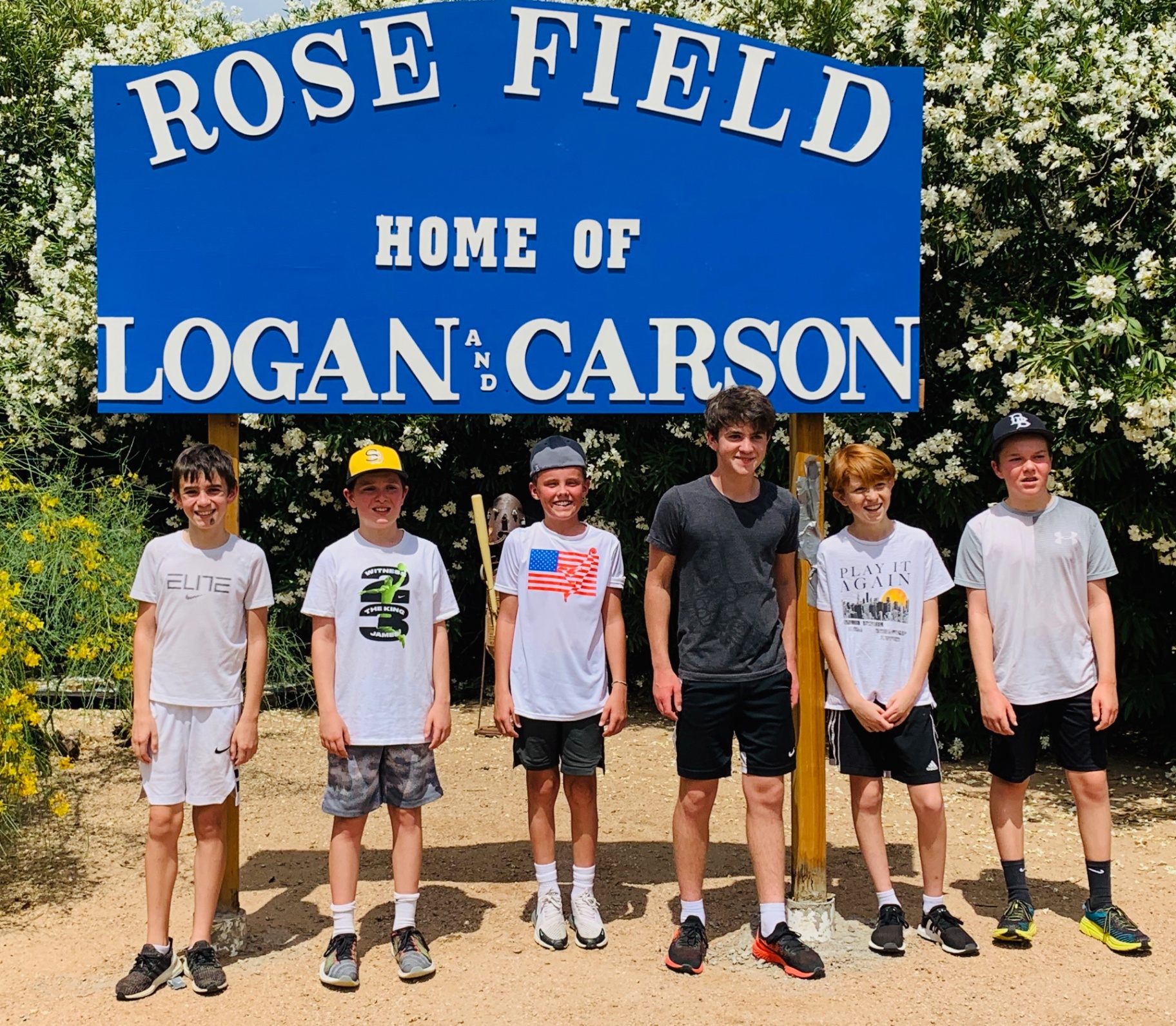
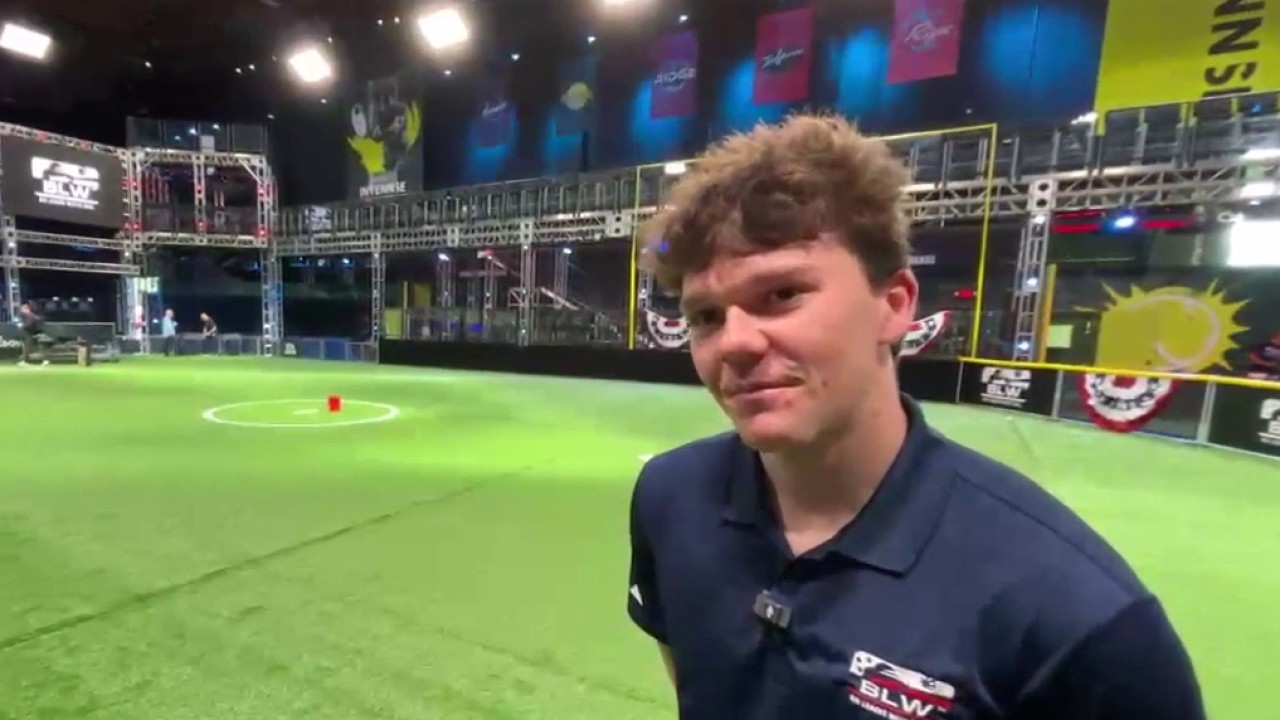
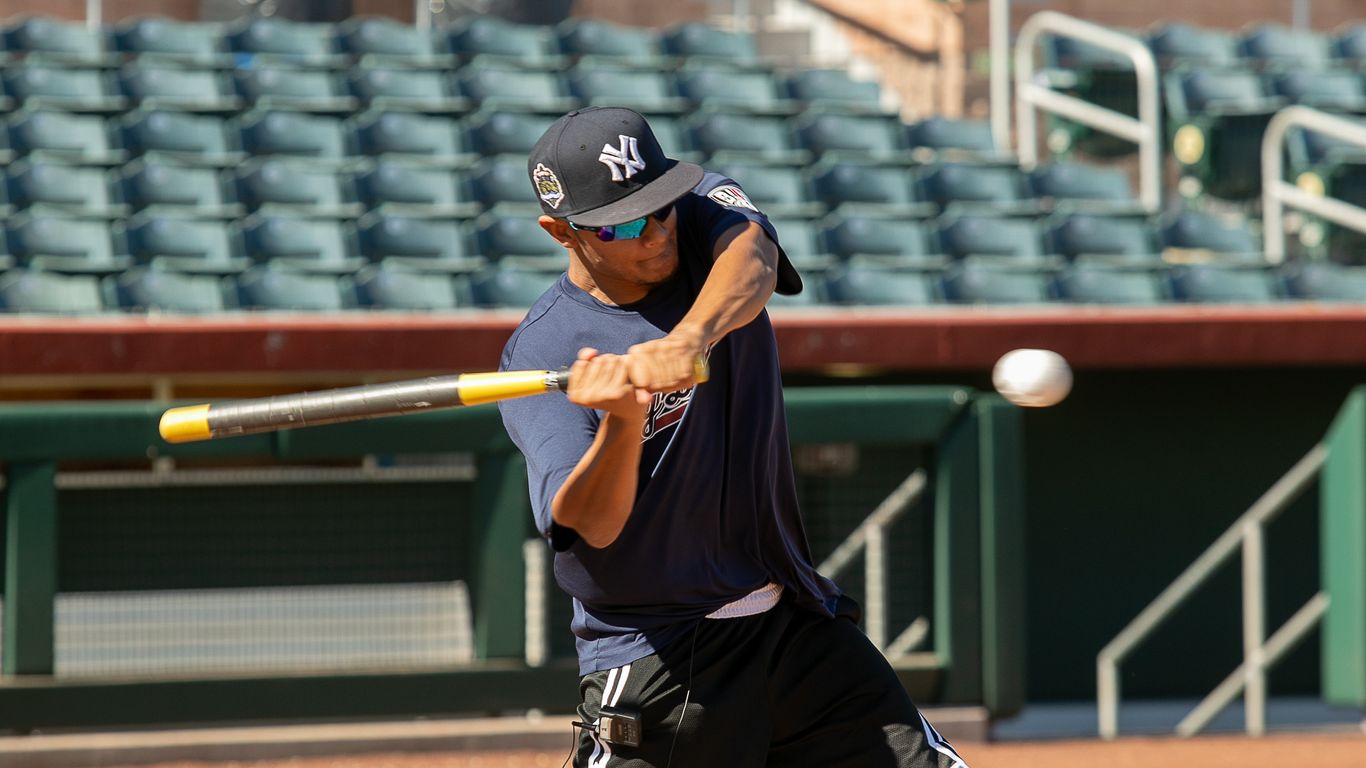
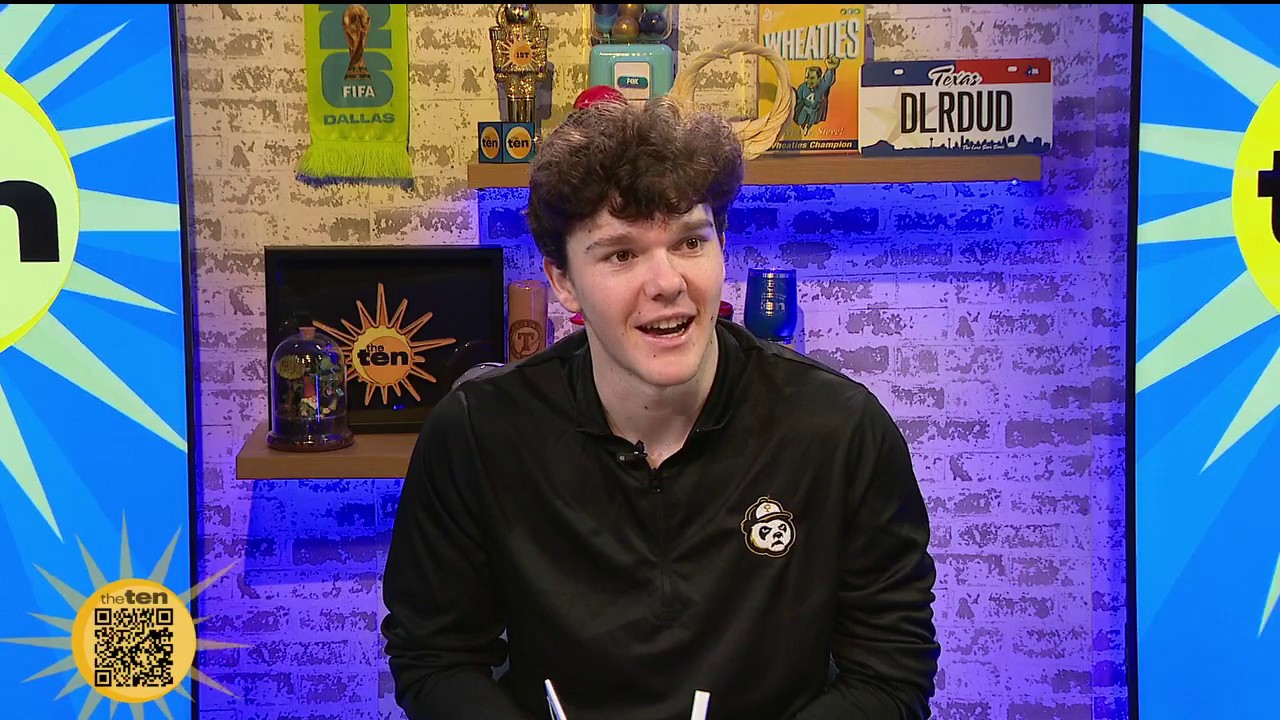
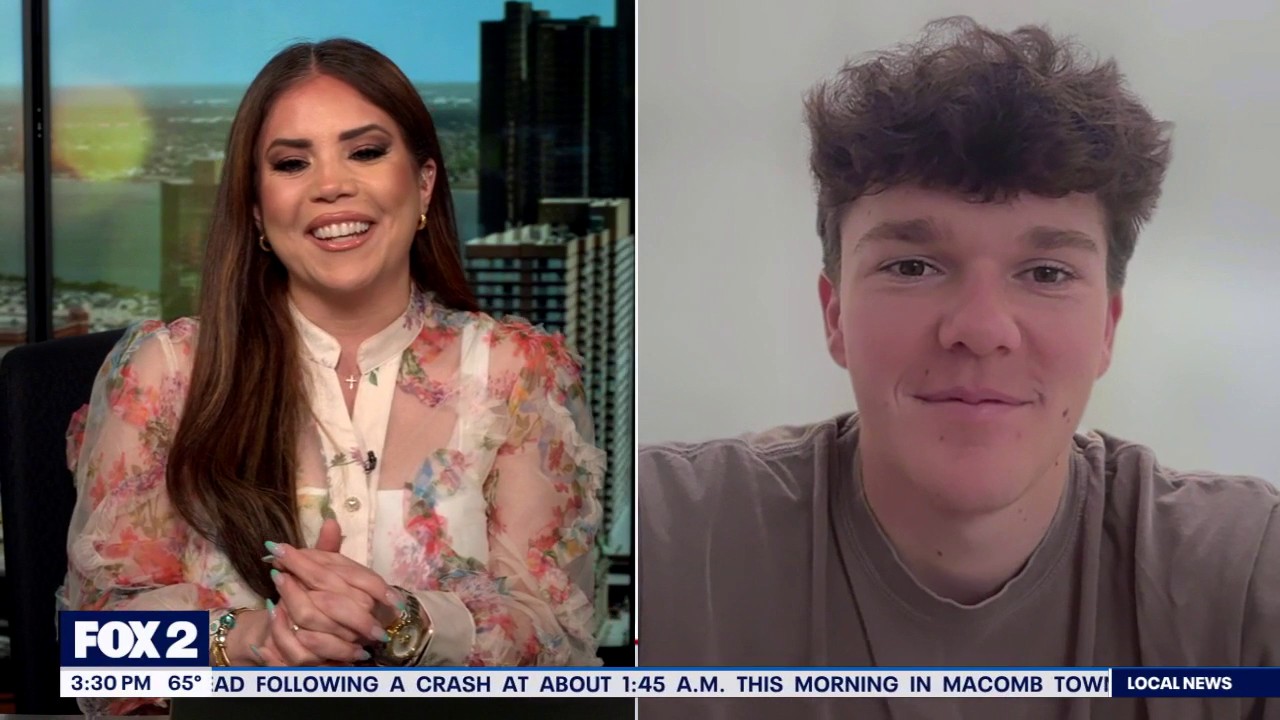
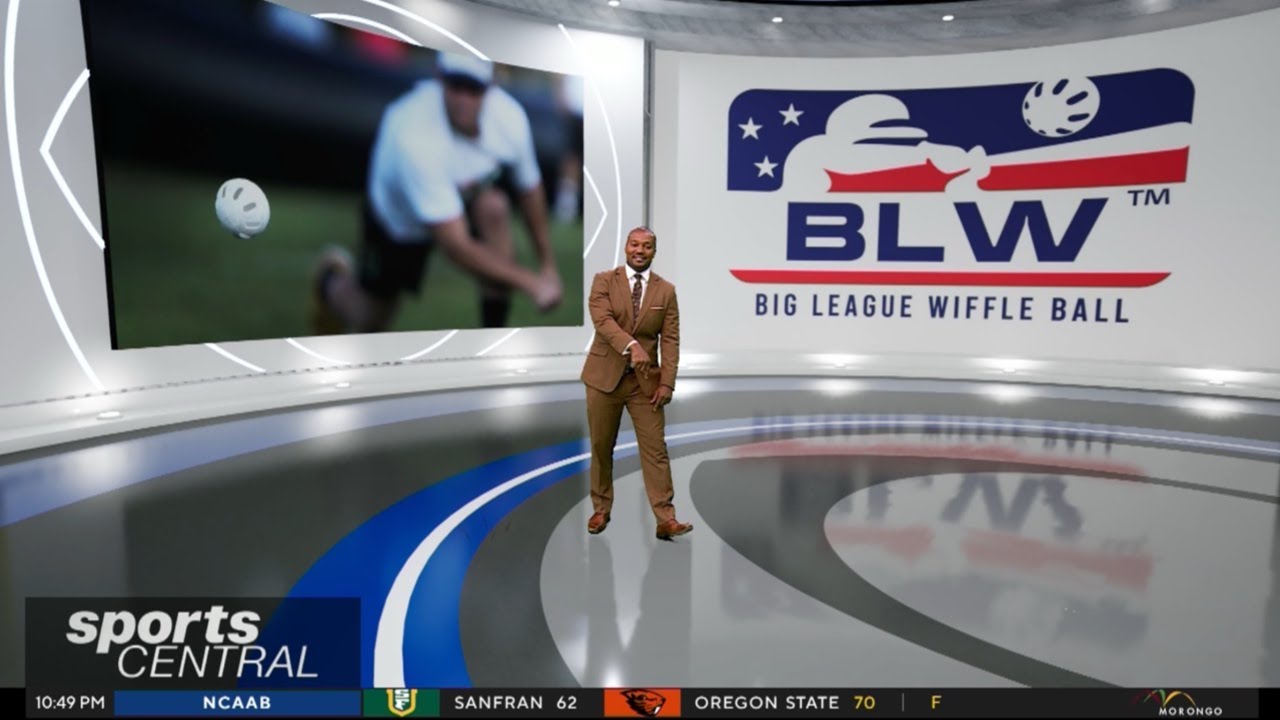
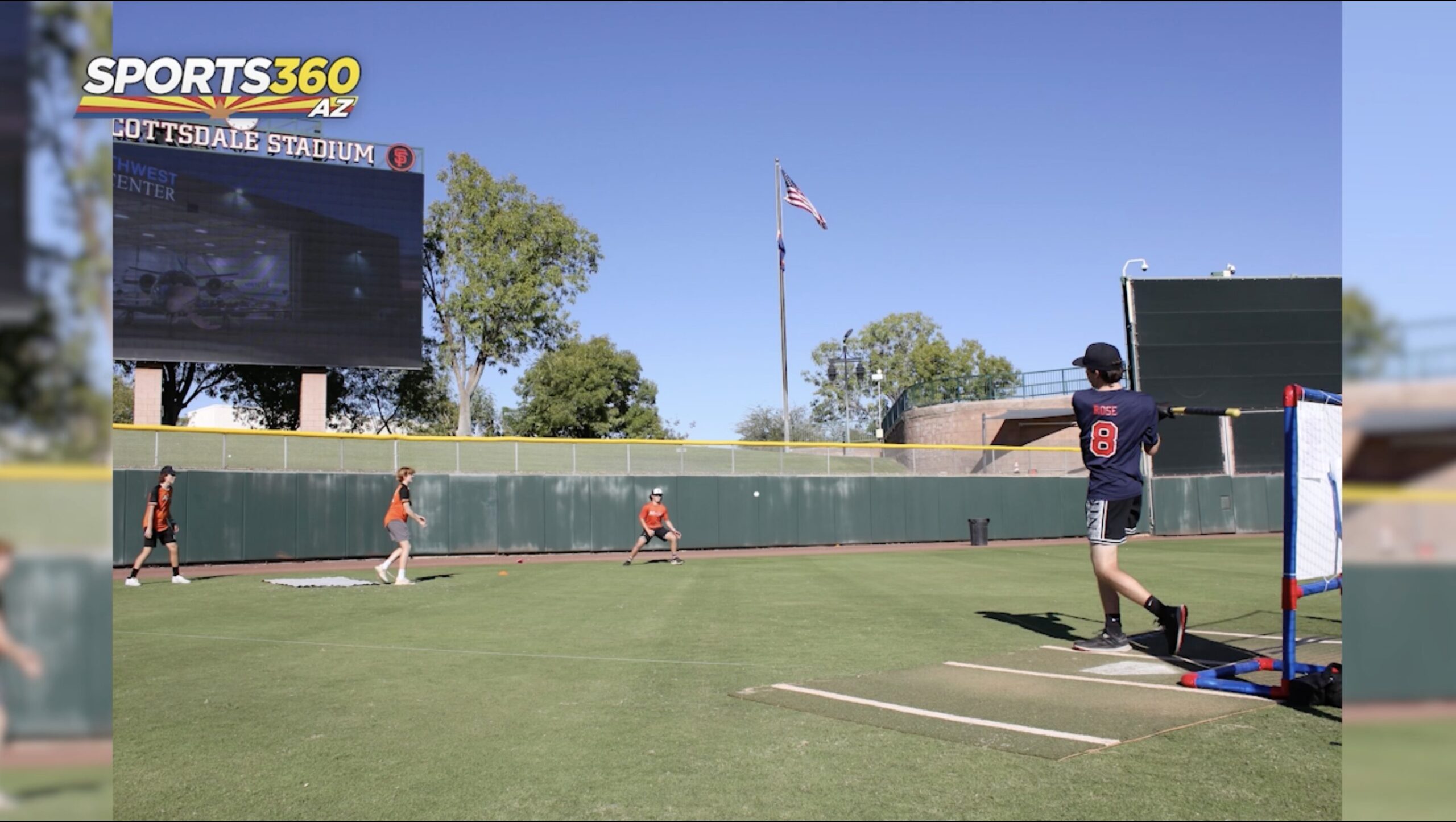
In 2020, with the world on lockdown, 13-year-old Logan Rose created a four team Wiffle Ball league in his Scottsdale, Arizona backyard, posting all of the games on social media. The backyard league grew into a tournament at Scottsdale Stadium, and soon after, AT&T Stadium called.
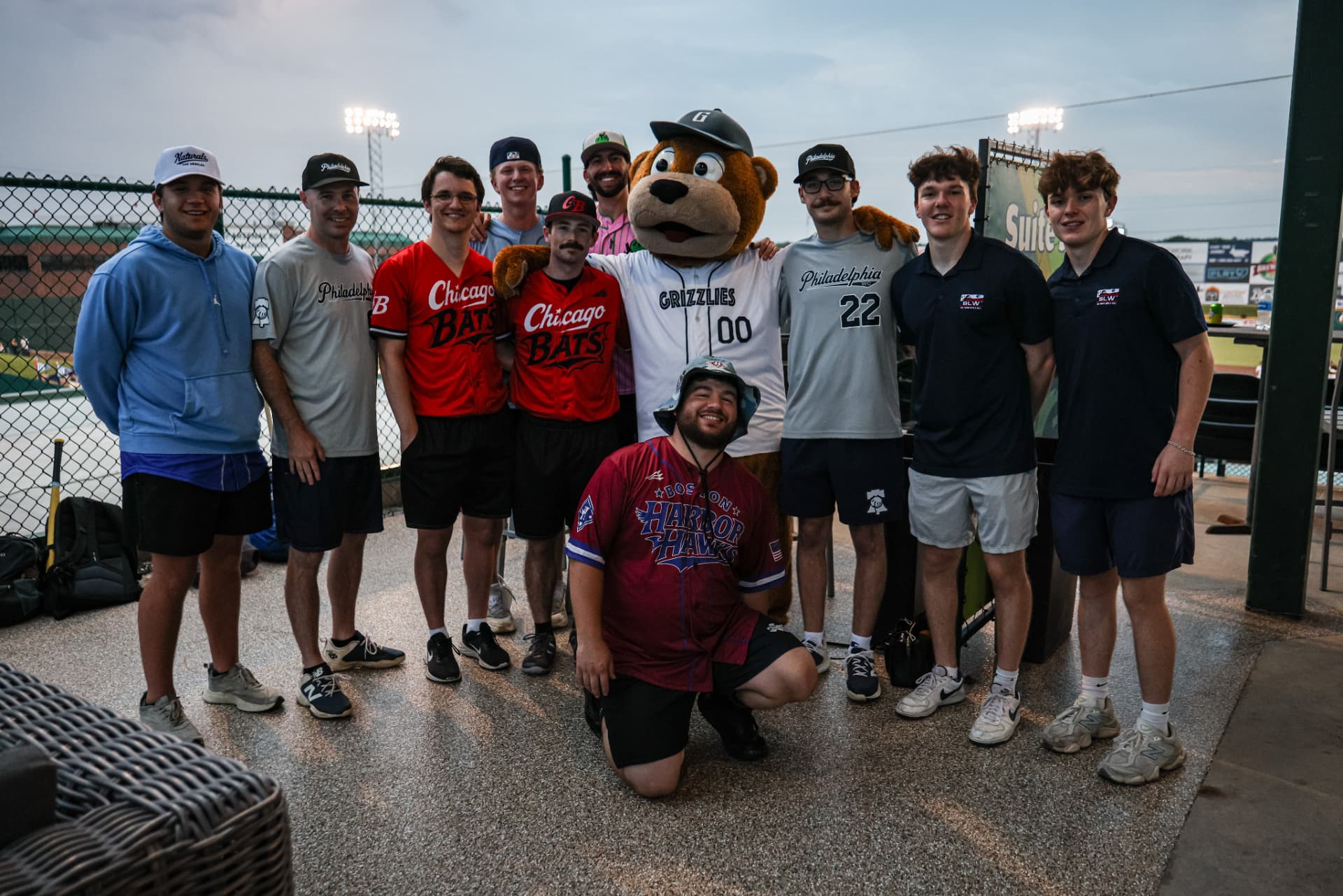
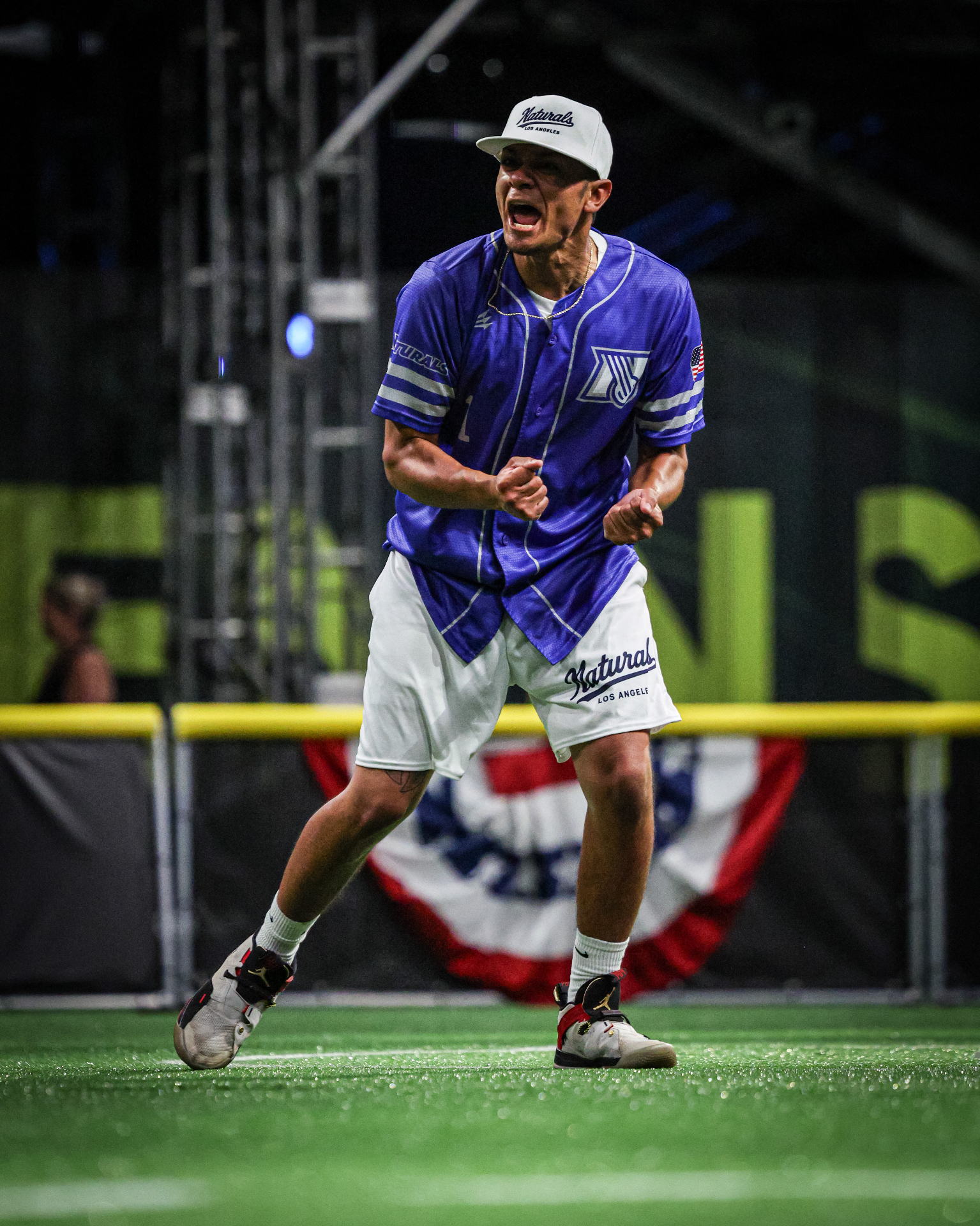
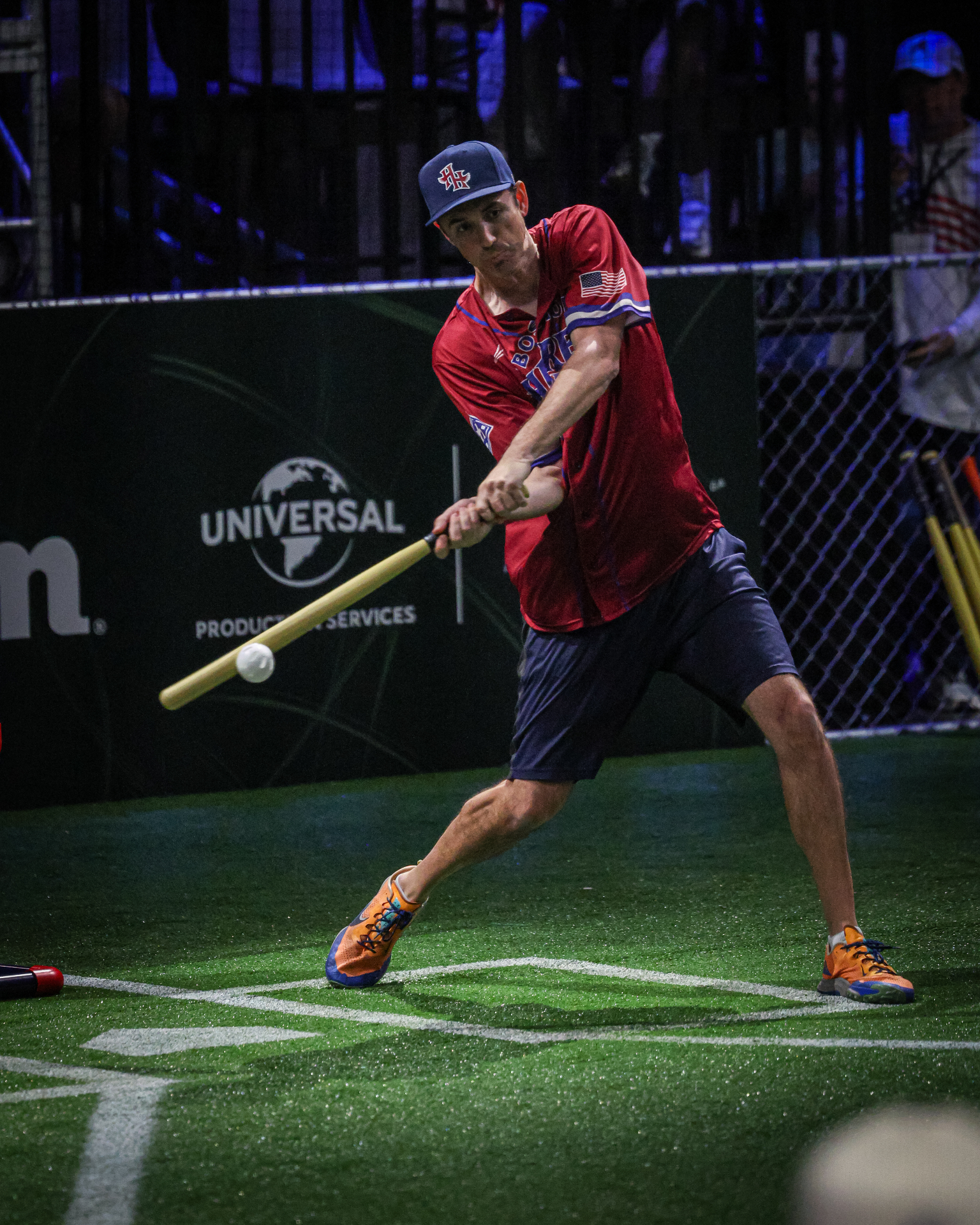
Today, it is the world's first professional Wiffle Ball league: ten city franchises, seven-player rosters built through a draft, official contracts, live broadcasts on ESPN, and sold out crowds. Behind it stands an ownership group of David Blitzer, Gary Vaynerchuk, Dude Perfect, Kevin Costner, Tony Robbins, Nelly, and many others. Big League Wiffle Ball® has taken America's greatest backyard game to an all-new level.
- Pro franchises
- 10
- Pro players
- 70
- Live national broadcasts
- ESPN
Pro franchises
Pro players
Live national broadcasts
Big League Wiffle Ball
Evolution & press.




2020–2026
The modern professional era.
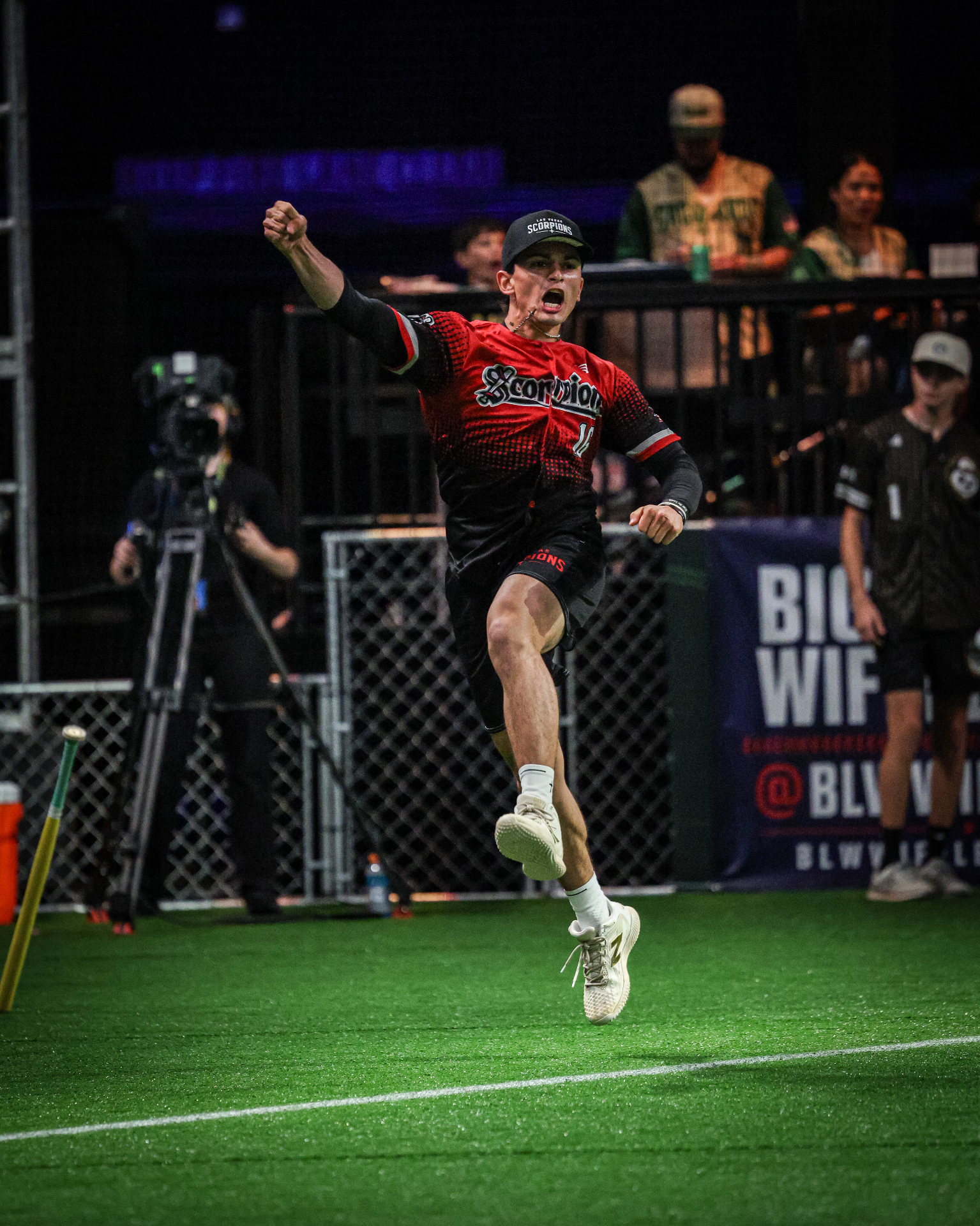
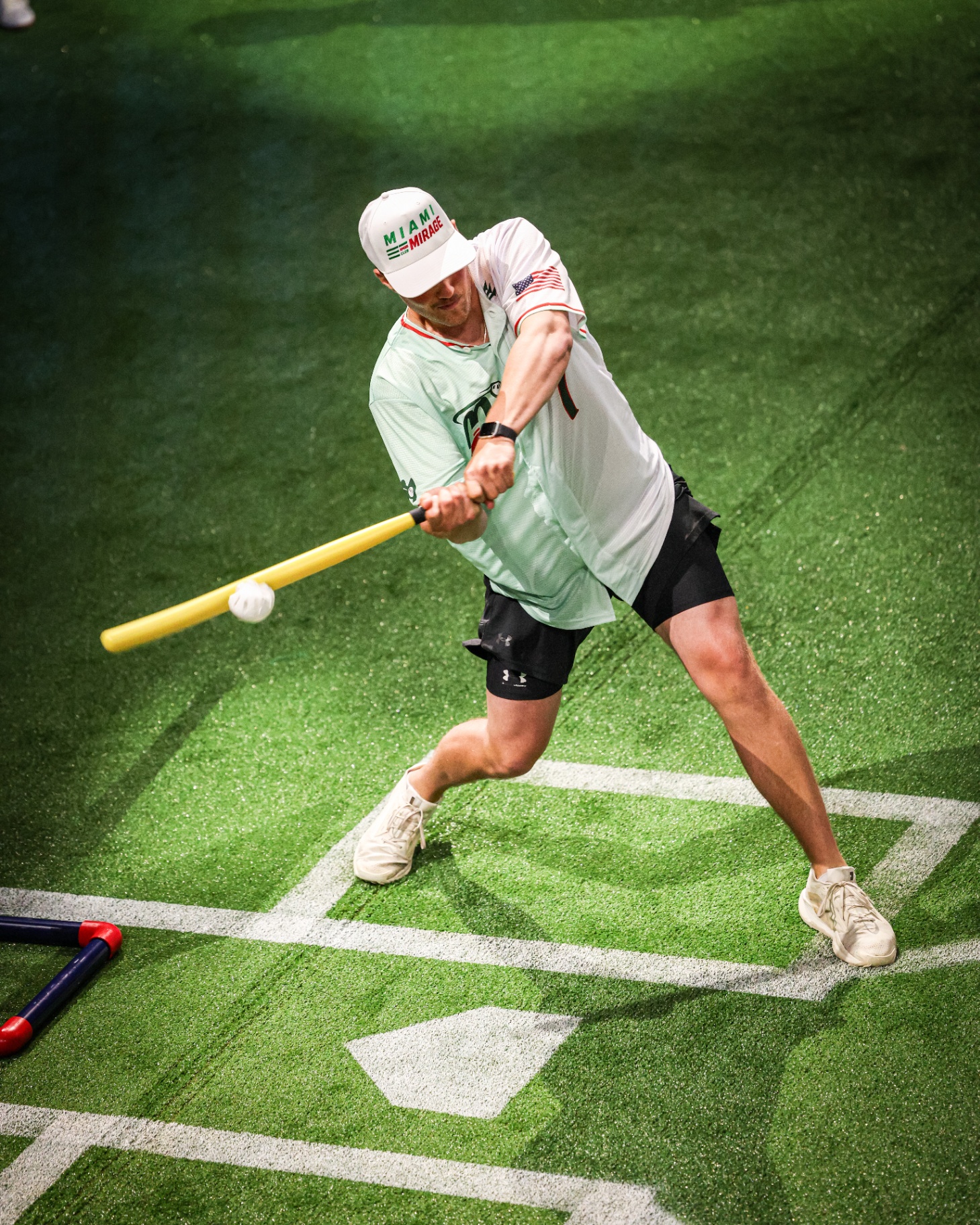
Photos: Big League Wiffle Ball®
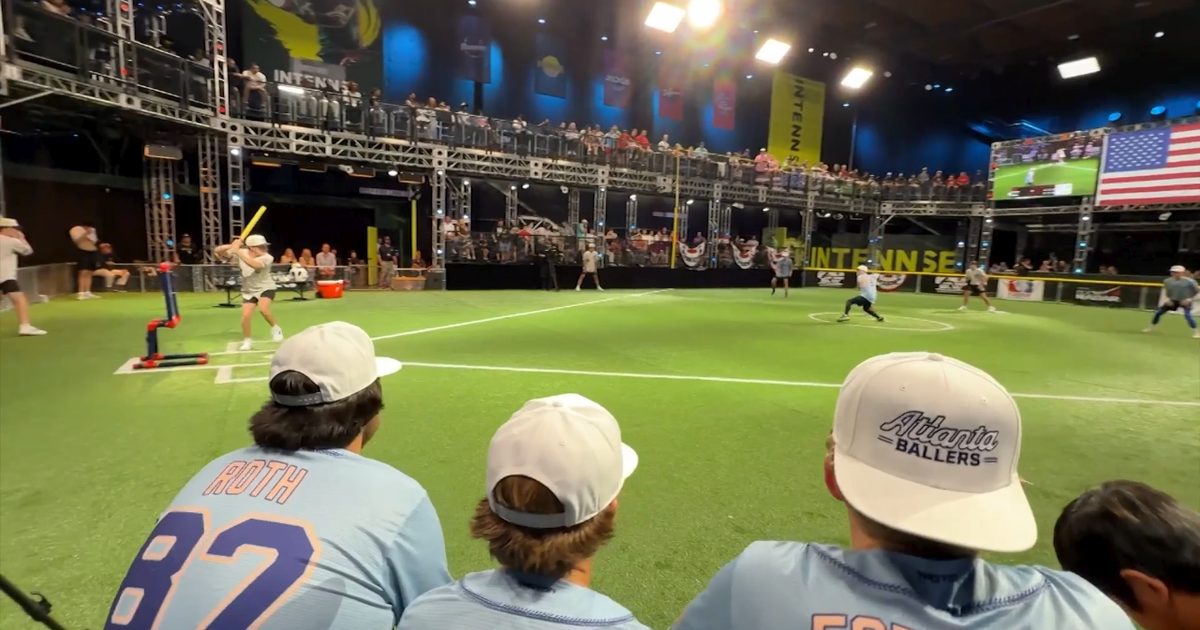
2026 · CBS News Atlanta
Backyard fun on the big stage.
CBS News Atlanta on how Big League Wiffle Ball® moved from a backyard to ballparks and national audiences.
LIVE ON ESPN2